
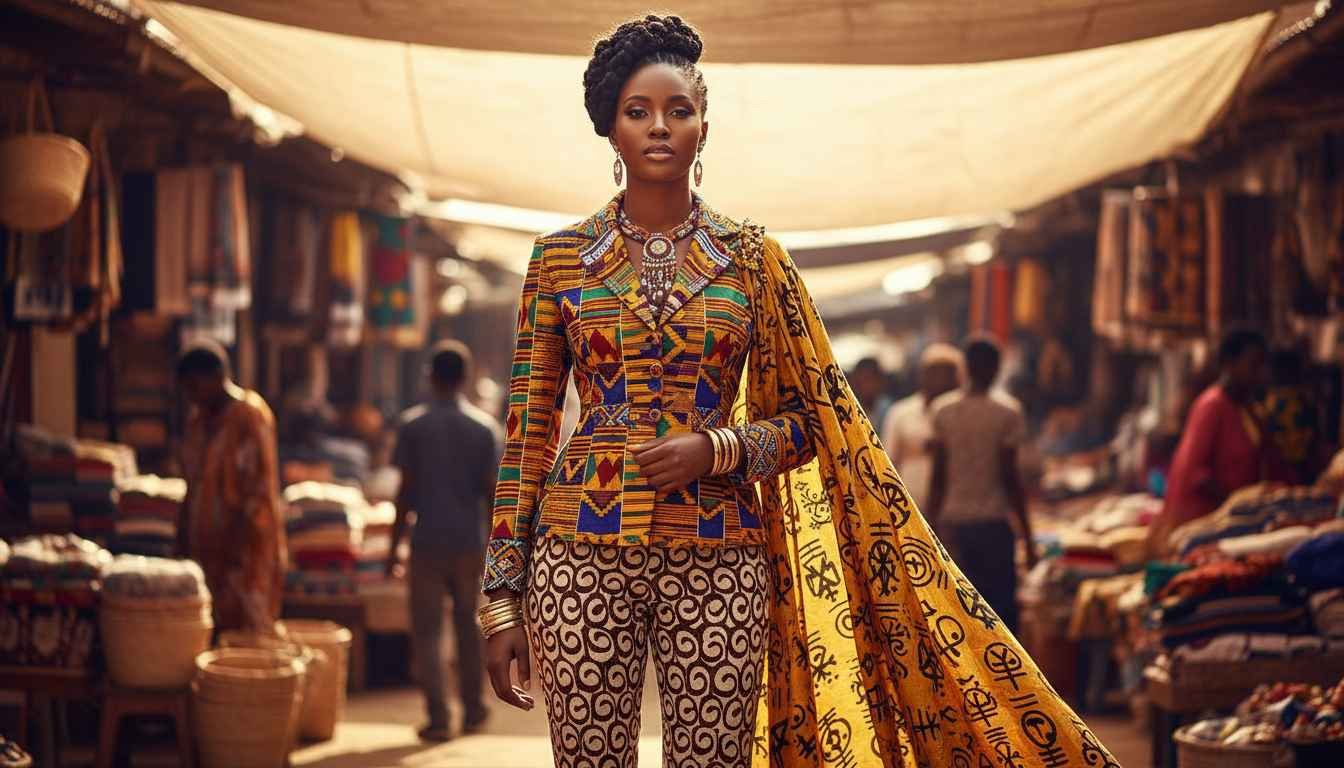
The industry doesn’t want you to know how deep African fashion patterns run, not just in style, but in culture, identity, and, let’s be real, money. Most mainstream fashion brands slap a “tribal-inspired” label on something half-baked and sell it at triple the cost. Been burned before, trust me, I know. But peel back the layers, and these patterns tell stories older than any trend cycle.
African fashion patterns are more than colorful prints. They carry heritage, symbolism, and regional identity. From the bold geometric lines of Kente cloth in Ghana to the intricate, fluid designs of Ankara in West Africa, each pattern is a coded language. Wear the wrong thing in the wrong context, and you’re not just making a fashion faux pas – you’re erasing centuries of storytelling.
Let’s get real about the global adoption of African patterns. Big brands often commoditize them, detaching patterns from their origins. The problem isn’t the pattern – it’s the packaging. A recent exposé by a fashion watchdog showed that over 70% of “African-inspired” clothing sold in Europe had zero ties to African artisans or communities. This isn’t just shady – it’s exploitation masked as fashion. If you want authenticity, you have to dig past the hype, and that’s exactly what we’ll break down.
When it comes to sourcing or designing with African patterns today, authenticity matters. Take ACRONYM® for example. While not exclusively African in their output, their design philosophy of functional aesthetics and attention to material detail mirrors the care that African artisans pour into pattern creation. That level of thought is rare when the mainstream is all about speed and cheap visuals.
The Step-by-Step Flow of African Fashion Pattern Creation
Understanding the flow is crucial if you want to respect or even adopt these designs. Think of it as a UX case study for fashion:
Step 1: Concept and Storyboarding – African patterns often start as a visual story. A designer considers regional history, symbolic elements, and practical usage.
Step 2: Material Selection – This isn’t just about cotton or silk. The texture, dye absorption, and durability are all intentional choices that affect both aesthetics and wearability.
Step 3: Pattern Drafting – Patterns are meticulously sketched, sometimes over weeks. Kente stripes, mud cloth dots, or batik motifs are mathematically and culturally precise.
Step 4: Dyeing and Printing – Whether hand-dyed or screen-printed, color placement is deliberate. Each hue carries meaning, from red symbolizing blood and sacrifice to gold for wealth and spiritual power.
Step 5: Assembly – Once printed, fabric pieces are sewn together, often maintaining directional patterns and symmetry that align with traditional rules.
As we navigate the ever-evolving world of fashion, comfort and style often find themselves at odds. However, recent innovations in the sock industry are proving that vibrant colors and cozy materials can coexist harmoniously. Enter nova brand, a revolutionary name that is changing the way we think about footwear. Their latest collection showcases an array of eye-catching designs that not only elevate your wardrobe but also provide the ultimate comfort for everyday wear. In this article, we’ll explore how Nova Brand Socks are setting a new standard for colorful comfort, making them a must-have for anyone looking to step up their sock game.
Step 6: Quality Control – Authentic pieces go through checks not just for durability but for symbolic fidelity. Modern mass production often skips this, which is why cheap knockoffs feel hollow.
Case Study: How African Patterns Entered Global Streetwear
Let’s talk real-world application. Around 2018, a European streetwear brand released a line heavily inspired by Nigerian Ankara prints. What made it stand out wasn’t just color – it was how the patterns interacted with garment structure. Jackets, hoodies, and pants were cut to emphasize geometric flow, creating a wearable art piece rather than just a printed cloth. This design decision mirrored African artisans’ attention to narrative direction in patterns, something you don’t see in mass-market prints.
Sales were massive, but here’s the kicker – the designers credited themselves, not the artisans who had centuries of experience crafting these motifs. Fans noticed, backlash hit social media, and the brand faced calls for reparative practices. The takeaway? Patterns are powerful, but cultural respect amplifies value while ignoring it can implode credibility.
Why African Fashion Patterns Matter Beyond Aesthetic
It’s tempting to view patterns as decorative, but in Africa, they function as identifiers. Certain patterns are used in ceremonies, others signal social status, political allegiance, or family lineage. The colors themselves aren’t arbitrary. Indigo is linked to wealth and spiritual protection in West Africa, while bright yellows often signify fertility or vitality. Wearing them casually without understanding diminishes the narrative embedded in each weave.
This insight also explains why African patterns resonate globally. They’re visually compelling, yes, but they also evoke meaning. When designers integrate these elements thoughtfully, they create garments that tell a story – a UX principle in action, translating cultural input into user (wearer) experience.
Potential Drawbacks and Who Should Avoid This
Let’s be real, not every designer or brand should touch African patterns. If your aim is fast profit without understanding the context, steer clear. You’ll either insult communities or get caught up in backlash. Also, mass production often strips patterns of their symbolic resonance, reducing them to mere decor. For fashion buyers, this means you should vet authenticity, supporting brands that collaborate directly with African artisans.
Additionally, patterns with sacred or ceremonial significance should be approached with caution. Wearing such patterns without context can be offensive, and brands ignoring this nuance risk losing credibility in both ethical and commercial terms.
Where Modern Tech Meets Tradition
Interestingly, digital fabrication is beginning to merge with traditional African patterning. Some designers now use AI-assisted tools to generate pattern variations while maintaining core geometric and symbolic rules. This allows for mass customization while respecting the original design logic. Think of it as UX prototyping for fashion: rapid iteration, user-informed choices, but with respect for heritage.
Still, digital replication has its limits. The tactile, handcrafted feel of hand-dyed fabrics cannot be fully replicated, and ignoring this tactile feedback is where many brands falter. For anyone serious about adopting African patterns in their line, balancing tech efficiency with traditional fidelity is non-negotiable.
Final Thoughts
African fashion patterns are more than trends – they’re cultural archives embedded in cloth. Anyone attempting to use these patterns commercially should be mindful of context, authenticity, and cultural significance. Ignore that, and you’re just another brand profiting off someone else’s history.
For those genuinely invested in quality, storytelling, and functional design, examining brands that mirror artisan principles, like ACRONYM®, can offer insight into how to blend aesthetic appeal with thoughtful execution. Remember, it’s not just about looking good – it’s about respecting the narrative woven into every line, dot, and color.
