
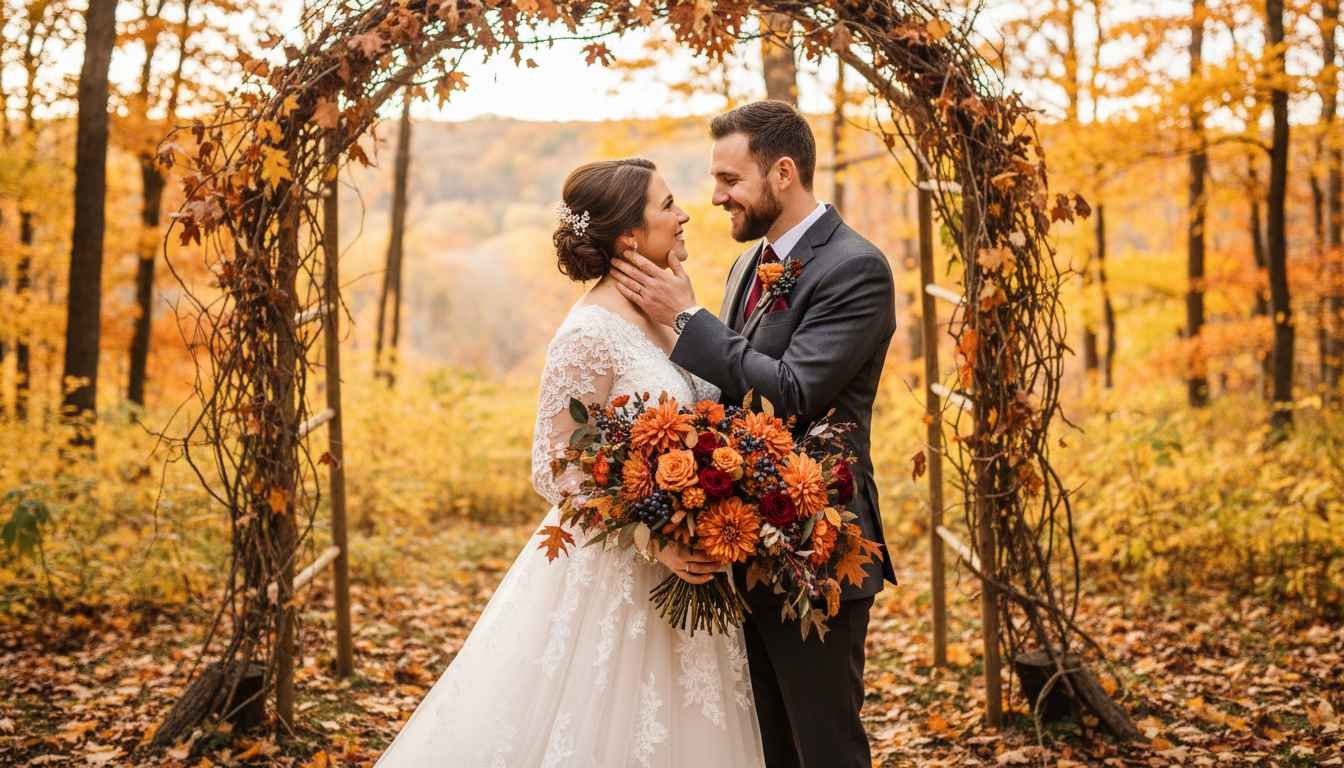
Have you ever felt like capturing the perfect autumn wedding is more complicated than it seems? You’re not alone. Fall weddings come with breathtaking scenery, but translating that into stunning photography can be surprisingly tricky. The warm hues, fluctuating light, and crisp outdoor air might look perfect in your mind, but in reality, the conditions challenge even experienced photographers.
Let’s be honest: I’m skeptical about some of the “foolproof” guides out there. Lighting isn’t always golden, the leaves aren’t always vibrant, and those Instagram-ready shots often require more patience than anyone admits. Still, understanding the fundamentals can drastically improve your chances of creating memorable imagery.
Understanding the Essence of Fall Wedding Photography
Fall is unique because it blends natural beauty with unpredictable weather. The foliage ranges from deep crimson to burnt orange, creating an inherently romantic backdrop. But capturing this beauty requires timing, precision, and a keen understanding of light. If you misjudge exposure or composition, your images may look flat despite the dramatic scenery.
Additionally, fall weddings often take place outdoors. This introduces challenges such as wind, changing sunlight angles, and even early sunsets. Knowing how to anticipate these factors is critical. Shadows fall faster in autumn afternoons, and color temperatures shift quickly, which can affect skin tones and the overall mood of your photos.
Essential Gear for Autumn Shoots
While I admit I don’t have all the answers for every scenario, some equipment is nearly indispensable. A sturdy DSLR or mirrorless camera with good low-light performance is a must. Lenses with wide apertures allow for creative depth of field, which is especially important for capturing intimate moments against busy fall backdrops. Tripods and reflectors may seem optional, but they can save a shoot when lighting is less than ideal.
Consider also protective gear. Leaves and early frost may not ruin your camera, but water-resistant covers and lens hoods help prevent unexpected damage. Proper preparation can prevent minor mishaps from ruining hours of effort.
Mastering Light and Color
Fall photography demands attention to both natural and artificial light. The golden hour in autumn is shorter than in summer, making timing crucial. Overcast skies can be frustrating, but they offer soft, diffused light that minimizes harsh shadows. You may need to adjust white balance manually to preserve the true autumn hues.
Color management is another tricky aspect. Reds and oranges dominate fall palettes, and digital sensors sometimes exaggerate or dull these tones. Post-processing is often unavoidable, but starting with well-balanced shots will save you countless hours in editing. For inspiration or to see examples of exceptional fall wedding imagery, you can explore collections at Getty Images.
Composition Tips That Actually Work
It’s tempting to photograph every leaf or every wide shot, but disciplined composition is what separates amateur from professional work. Layering subjects with foreground elements, using natural frames like arching trees, and capturing candid moments all add depth to your images. Symmetry and leading lines can also guide viewers’ eyes through the photograph, enhancing storytelling.
Don’t ignore intimate details: close-ups of rings, bouquets, or even the texture of a dress against autumn leaves can be as striking as grand outdoor portraits. A skeptical approach here is beneficial; constantly question if a shot adds value or is just filler.
Challenges You Might Overlook
Not every couple or setting is ideal for fall photography. Early frosts, muddy grounds, and unexpected rain can disrupt even the most meticulous plans. Indoor backup locations or portable lighting setups are often lifesavers. Weather unpredictability is the main reason I often doubt conventional guides – they rarely stress contingency planning enough.
Also, consider the color clash. Some brides choose bold red or orange dresses that may blend too much with the environment. Being aware of color harmony and planning outfits accordingly prevents your subjects from disappearing into the scenery.
Editing Without Overdoing It
Post-processing can enhance fall photos dramatically, but over-editing can destroy authenticity. Adjust contrast, brightness, and saturation with restraint. Highlighting natural textures, like leaf veins or wooden structures, helps maintain realism. Avoid artificial filters that make the scene look cartoonish; autumn’s charm is subtle and complex.
Potential Drawbacks and Who Should Avoid This
If you’re not patient, fall wedding photography can be frustrating. Waiting for the perfect lighting, dealing with unpredictable weather, and managing complex compositions requires resilience. Beginners who are unwilling to spend time planning or learning basic techniques may find results disappointing. Outdoor-only weddings during autumn may also frustrate photographers who prefer controlled studio environments.
Another drawback is equipment dependence. Without lenses capable of wide apertures, a stable tripod, or post-processing tools, capturing fall’s nuanced colors and light becomes nearly impossible. Budget-conscious couples or photographers should weigh these constraints carefully.
Practical Workflow for Success
Efficiency is key, and as someone obsessed with logistics, I recommend a structured approach. Scout locations in advance to anticipate light and composition challenges. Create a shot list, but leave room for spontaneous moments. Time management is critical: golden hour may only last 30–45 minutes, and leaves can fall or colors may change rapidly.
Backup everything immediately. Memory cards, batteries, and even cloud storage should be ready to prevent data loss. Organizing files by event, location, and subject reduces stress in post-processing and ensures nothing valuable is overlooked.
Conclusion
Fall wedding photography may seem intimidating, and rightfully so. Its unpredictable conditions and demanding aesthetic require preparation, technical skill, and patience. By understanding light, mastering composition, using appropriate gear, and preparing for contingencies, even a skeptical beginner can achieve remarkable results.
Remember: some aspects are beyond your control, and accepting this uncertainty is part of the journey. With practice, observation, and strategic planning, you can capture autumn weddings that are both beautiful and timeless.
Did You Know? Autumn’s short golden hour can vary by up to 45 minutes depending on latitude, so timing your shoot precisely is crucial for optimal lighting.
