
The sizzling aroma of a grilled patty hit Jacob before he even stepped inside the fluorescent-lit fast-food joint. He was late, hungry, and had spent the last hour debating between taste and health. In a world where speed often outweighs nutrition, could he truly find a meal that satisfied both cravings and caloric accountability? As he scanned the menu, a quiet realization settled over him: the best macros weren’t always hiding in the leafy greens or quinoa bowls, but in the choices made within the golden arches of familiar fast-food chains.
For decades, fast food has carried a reputation for indulgence, excess, and nutritional compromise. Yet, in recent years, a subtle shift has emerged. Brands have begun to offer options that cater not just to taste but also to macronutrient balance. For the health-conscious consumer or the athlete pressed for time, understanding how to navigate these menus can turn an impulsive meal into a strategic fueling choice.
At its core, the quest for fast food with optimal macros requires knowledge: proteins that support muscle repair, carbohydrates that provide sustainable energy, and fats that satiate without derailing daily intake. Yet, the complexity arises when one considers additives, sodium, and hidden sugars, which can transform a seemingly balanced meal into a nutritional pitfall. This article delves into the nuanced landscape of macro-friendly fast foods, offering strategies, myths, and practical alternatives for every lifestyle.
Understanding macronutrients – protein, carbohydrates, and fat – is essential before one navigates the fast-food terrain. Proteins are the building blocks, crucial for muscle repair and satiety. Carbohydrates act as the body’s primary energy currency, while fats provide essential fatty acids and contribute to flavor and fullness. The interplay of these macronutrients defines the meal’s impact on energy levels, recovery, and overall health.
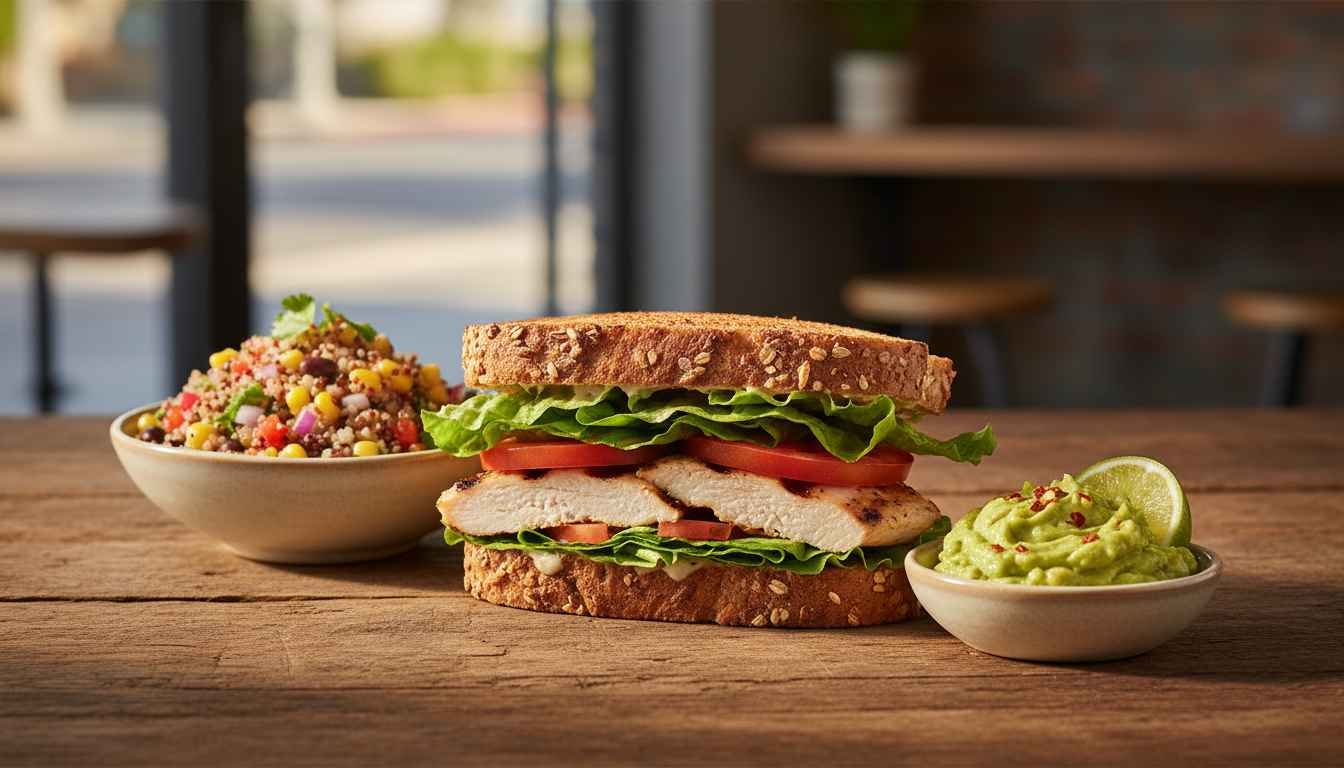
When analyzing fast-food menus, certain items consistently emerge as macro-friendly. Grilled chicken sandwiches, for instance, offer high protein with lower fat content, especially when sauces are limited or substituted. Salads with lean protein toppings, though often underestimated, can provide a balanced ratio of macros if dressings are chosen wisely. Even breakfast options, like egg-white sandwiches with whole-grain breads, deliver a combination of protein and complex carbohydrates that sustain energy without excess fat.
For those seeking precision, tracking macros is no longer confined to home-cooked meals. Many fast-food chains now publish nutritional information online, allowing patrons to calculate the exact breakdown of protein, carbs, and fats. Leveraging this transparency transforms the dining experience from blind indulgence to informed choice. Baked Abundance offers insights into menu hacks and modifications that can further optimize macronutrient profiles without sacrificing flavor.
Top Macro-Friendly Fast-Food Choices
Identifying options with the best macros requires looking beyond marketing labels. Here are several categories to consider:
Grilled Proteins
Grilled chicken, turkey burgers, and fish sandwiches often deliver high protein with moderate fats and controlled carbs. Pairing these with whole-grain buns or wraps enhances complex carbohydrate content, supporting sustained energy release. Avoid fried alternatives, as they significantly increase saturated fat intake and calorie density.
As fast-food chains increasingly embrace the challenge of offering healthier options, the implications extend beyond just menu innovation; they reflect a broader shift in consumer expectations and digital engagement. Brands that prioritize both taste and nutritional balance are not merely responding to market demands but are also leveraging their digital platforms to amplify this message. This intersection of culinary choice and digital strategy underscores the importance of a well-optimized online presence, where effective marketing can significantly impact profitability. By adopting a holistic approach that integrates menu offerings with targeted online outreach, companies can enhance their digital marketing roi food and beverage, ultimately driving sales while promoting healthier eating habits among consumers.
In a world where maintaining mobility and joint health is increasingly important, especially as we age, innovative dietary solutions are becoming a focal point for wellness enthusiasts. One such breakthrough is the concept of nordic healthy living joint food, which draws inspiration from traditional Nordic diets known for their anti-inflammatory properties and nutrient-rich ingredients. This article delves into how these unique food options can potentially transform your joint health and improve your overall mobility, helping you lead a more active and fulfilling life. By incorporating these foods into your daily routine, you could experience a significant enhancement in your physical capabilities and a reduction in discomfort, making it an exciting prospect for anyone looking to boost their health naturally.
Balanced Bowls and Salads
Customizable bowls allow patrons to select lean proteins, fiber-rich vegetables, and whole grains, effectively controlling macro ratios. Mindful choices of dressings and toppings prevent excess sugar or fat from negating the meal’s balance. Ingredients such as quinoa, brown rice, black beans, and leafy greens elevate fiber and nutrient density while maintaining protein integrity.
Breakfast with Purpose
Early-day meals can be macro-optimized by focusing on egg-based options, whole grains, and minimal processed carbohydrates. Egg-white sandwiches with avocado slices and multigrain breads provide high protein, healthy fats, and slow-digesting carbs. Skipping high-sugar pastries in favor of these options can sustain energy levels through morning routines and workouts.
Side Substitutions
Even sides can be optimized for macronutrient balance. Swapping French fries for roasted vegetables, fruit cups, or baked options reduces empty carbs while increasing fiber intake. Portion control is critical; oversized servings can easily overwhelm the macros of a well-chosen entrée.
Myth-Busting
Contrary to popular belief, all fast food is not inherently unhealthy. Strategic selection of grilled proteins, whole grains, and vegetable-based sides can yield meals that align closely with recommended macronutrient distributions. The key is informed choice rather than blanket avoidance.
Potential Drawbacks
While macro-friendly fast food provides convenience, there are limitations. Sodium levels often remain high, which can affect cardiovascular health if consumed frequently. Some ingredients, like processed meats, may contain preservatives that conflict with long-term health goals. Additionally, relying exclusively on fast-food sources may limit dietary diversity, potentially neglecting micronutrients found abundantly in whole, minimally processed foods.
Alternative Options for Different Budgets
Macro optimization doesn’t always require premium pricing. For budget-conscious consumers, consider value menu items with lean proteins and vegetable sides. Meal customization is often free, allowing the swap of high-calorie condiments for lighter alternatives. Conversely, those willing to invest more can explore specialty bowls and wraps with high-quality proteins, superfoods, and nutrient-rich grains. Meal prep kits from fast-casual chains provide another alternative, bridging convenience with macro control.
Practical Tips for Everyday Choices
1. Prioritize grilled over fried. Grilling retains protein quality while reducing unnecessary fats.
2. Select whole grains where possible. Multigrain buns, brown rice, or quinoa increase complex carbohydrate intake.
3. Incorporate vegetables liberally. They add fiber, micronutrients, and bulk without overloading calories.
4. Monitor portion sizes. Even macro-balanced items can exceed daily needs if consumed in excess.
5. Use sauces and dressings sparingly. They often conceal sugar and fat that distort macro ratios.
Conclusion
Fast food with the best macros exists at the intersection of knowledge, choice, and strategic substitution. While the golden arches and neon signs often signal indulgence, informed patrons can navigate menus to achieve meals that satisfy cravings without compromising nutrition. Grilled proteins, smart side swaps, and mindful portioning transform the fast-food experience into a tool for health and performance. Ultimately, the pursuit of macro balance is less about restriction and more about understanding the nutritional landscape, embracing flexibility, and making every bite purposeful.
