
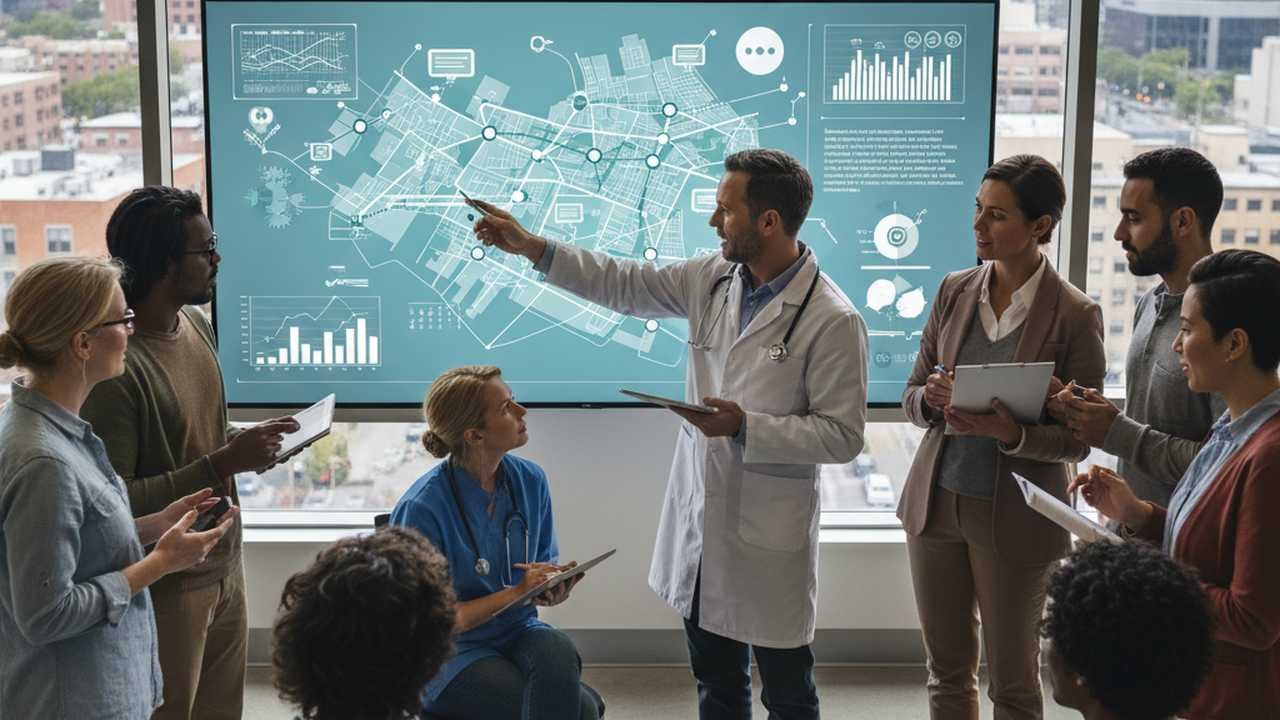
In the blink of an eye, a new infectious disease can shatter the illusion of safety, sweeping through communities with alarming speed. The world watched in horror as COVID-19 spread across continents, but that was just a harbinger of what could come next. The question isn’t if another pandemic will emerge, but when. And when it does, will your community be ready?
Communities are the frontline in the battle against emerging infectious diseases. It’s not just about hospitals and health officials; it’s about every individual, every family, every neighbor. The power to prevent, contain, and ultimately overcome these threats lies within the collective strength of the community. But this power is fleeting. Without immediate and decisive action, the window of opportunity closes, and the consequences can be catastrophic.
Aristotle once said, “Wit is educated insolence.” In the context of public health, this quote underscores the importance of informed defiance against complacency. It challenges us to question the status quo, to be clever and proactive in our responses. Communities that harness this “educated insolence” are the ones that will stand resilient in the face of emerging threats.
Understanding the Threat: Emerging Infectious Diseases
Emerging infectious diseases are those that have newly appeared in a population or have existed but are rapidly increasing in incidence or geographic range. These diseases can be caused by bacteria, viruses, fungi, or parasites, and they often jump from animals to humans – a process known as zoonotic spillover. The rise in global travel, urbanization, and environmental changes have created perfect conditions for these diseases to spread.
Take, for example, the H5N1 avian influenza. In 2022, researchers detected traces of this virus in wastewater samples six weeks before it was identified in poultry. This early detection allowed for targeted interventions that prevented a larger outbreak. Such instances highlight the critical need for vigilant surveillance and rapid response mechanisms within communities.
However, not all communities are equipped to handle these threats. Many lack the infrastructure, resources, or knowledge to detect and respond effectively. This disparity can lead to delayed reactions, widespread panic, and unnecessary loss of life. The urgency to bridge this gap cannot be overstated.
The Role of Community Engagement in Disease Surveillance
Community engagement is the cornerstone of effective disease surveillance. It’s about more than just reporting symptoms; it’s about fostering trust, communication, and collaboration among community members and health authorities. When individuals feel informed and involved, they are more likely to participate in health initiatives and adhere to preventive measures.
Studies have shown that community-based surveillance can significantly improve early detection and response times. For instance, in rural areas with limited access to healthcare facilities, local volunteers trained in basic epidemiological methods can identify unusual disease patterns and alert health authorities promptly. This grassroots approach not only enhances surveillance but also empowers communities to take ownership of their health.
However, engaging communities is not without challenges. Misinformation, cultural barriers, and mistrust can hinder participation. Overcoming these obstacles requires sustained efforts in education, transparent communication, and building relationships. The time to start is now – before the next outbreak catches us off guard.
Education and Awareness: The First Line of Defense
Education is the most powerful weapon in the fight against infectious diseases. Well-informed communities are more likely to adopt preventive behaviors, seek timely medical care, and support public health initiatives. But education must be timely, accurate, and culturally appropriate.
During the early days of the COVID-19 pandemic, misinformation spread faster than the virus itself. False claims about cures, prevention methods, and the origins of the virus led to confusion and fear. Communities that had pre-established channels for disseminating accurate information – such as local radio programs, community leaders, and trusted health workers – were better able to combat this misinformation and guide their populations through the crisis.
Investing in education and awareness programs is not just a reactive measure; it’s a proactive strategy that builds resilience. Communities that are prepared with knowledge are communities that can withstand the shocks of emerging infectious diseases.
Infrastructure and Resources: Building a Resilient Foundation
Infrastructure plays a pivotal role in a community’s ability to respond to health threats. This includes physical infrastructure, such as healthcare facilities and transportation networks, as well as digital infrastructure for communication and information sharing.
During the Ebola outbreak in West Africa, inadequate healthcare facilities and poor transportation networks hampered response efforts. In contrast, communities with robust infrastructure were able to implement containment measures more swiftly and effectively. For example, mobile health units and telemedicine platforms enabled healthcare providers to reach remote areas, reducing the strain on central hospitals and ensuring that care was accessible to all.
Building resilient infrastructure requires long-term planning and investment. It’s about creating systems that can withstand shocks and adapt to changing circumstances. The cost of inaction is far greater than the investment required to build these systems.
Policy and Leadership: Steering the Community Through Crisis
Effective leadership and sound policies are essential in guiding communities through health crises. Leaders must be decisive, transparent, and compassionate. They must communicate clearly and consistently, providing direction and reassurance to the public.
One of the most effective strategies in controlling infectious disease outbreaks is the “ring vaccination” approach. This involves vaccinating individuals who are in close contact with an infected person, thereby creating a protective ring around the outbreak. This method has been successfully used in controlling diseases like Ebola and smallpox.
However, implementing such strategies requires strong leadership and coordination. Leaders must work closely with health authorities, community organizations, and the public to ensure that interventions are timely and effective. The absence of strong leadership can lead to fragmented responses and missed opportunities to contain outbreaks.
Technology and Innovation: Enhancing Detection and Response
Technology has revolutionized the way we detect and respond to infectious diseases. From advanced diagnostic tools to data analytics and artificial intelligence, technology enables faster, more accurate identification of health threats.
One groundbreaking method is wastewater surveillance. By analyzing wastewater samples, researchers can detect the presence of pathogens weeks before they appear in clinical cases. This early warning system allows for targeted interventions and resource allocation, preventing widespread outbreaks.
Communities that embrace technological innovations are better positioned to respond to emerging infectious diseases. However, access to technology must be equitable. Ensuring that all communities, regardless of socioeconomic status, have access to the tools and knowledge to utilize these technologies is crucial.
Collaboration and Partnerships: Strength in Unity
No community is an island, especially in the face of global health threats. Collaboration and partnerships are vital in building a comprehensive response to emerging infectious diseases.
International organizations, governments, non-governmental organizations, and the private sector all have roles to play. Sharing information, resources, and expertise can strengthen response efforts and ensure that no community is left behind.
For instance, the Global Health Security Strategy launched by the Biden administration aims to help 50 countries improve their ability to identify and respond to infectious diseases. This initiative focuses on enhancing testing, surveillance, communication, and preparedness, with the goal of preventing future pandemics.
Such partnerships demonstrate that collective action is more powerful than individual efforts. By working together, communities can create a united front against emerging health threats.
Preparedness and Planning: Anticipating the Unexpected
Preparedness is the key to effective response. Communities must have plans in place that outline roles, responsibilities, and procedures in the event of an outbreak.
These plans should be comprehensive, covering aspects such as disease surveillance, resource allocation, communication strategies, and coordination among various stakeholders. Regular drills and simulations can help ensure that everyone knows their role and can act swiftly when needed.
Preparedness also involves addressing social determinants of health, such as access to healthcare, education, and economic stability. Communities that are socially and economically resilient are better equipped to handle health crises and recover more quickly.
The time to prepare is before the storm hits. Waiting until an outbreak occurs is too late. Communities that invest in preparedness today will be the ones that emerge stronger tomorrow.
