
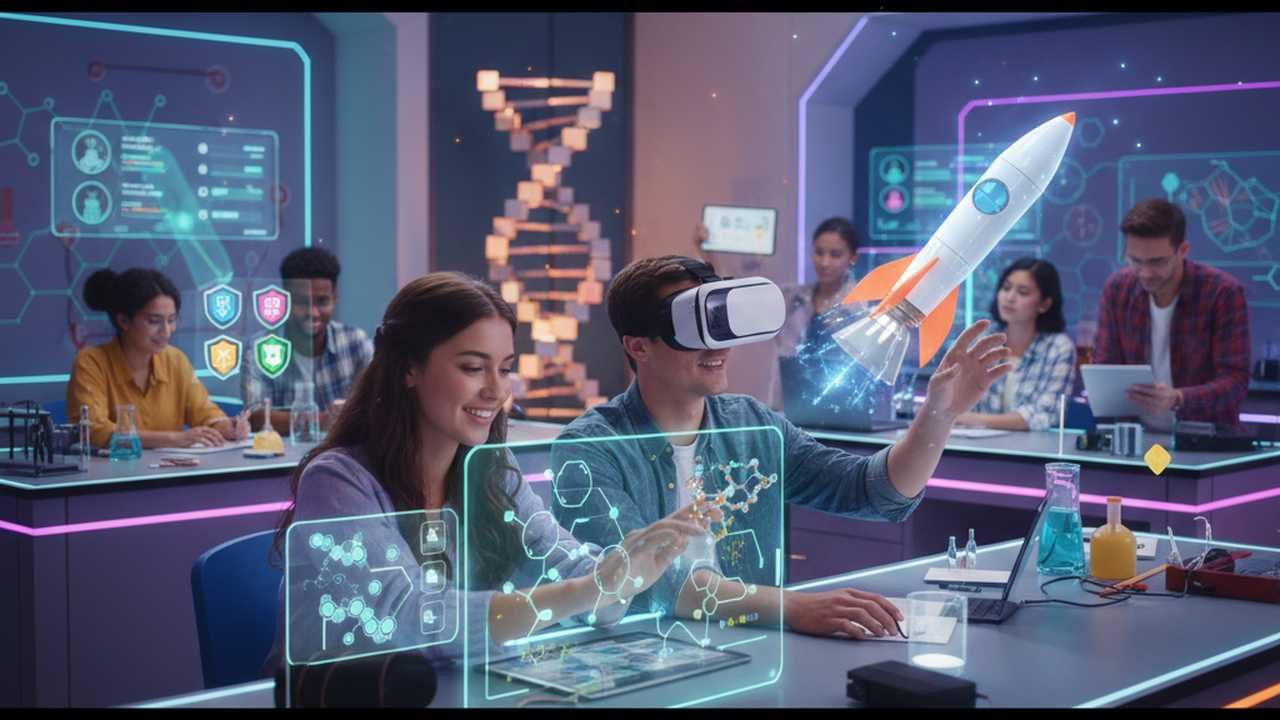
Imagine a classroom where students are not merely recipients of information but active participants in an exhilarating quest for knowledge. Picture a learning environment where every lesson feels like a level in an epic game, each challenge a puzzle to be solved, and every success celebrated with rewards that fuel further ambition. This is the transformative power of gamification in STEM education – a dynamic approach that is revolutionizing how students engage with science, technology, engineering, and mathematics. The urgency to adopt this method has never been greater, as traditional educational models struggle to captivate the digital-native generation. Without embracing gamification, educators risk losing the attention and enthusiasm of their students, potentially jeopardizing their academic success and future opportunities.
The Science Behind Gamification: Why It Works
At its core, gamification leverages psychological principles to enhance learning. By incorporating elements such as points, badges, leaderboards, and challenges, gamified learning taps into students’ intrinsic motivations. The brain’s reward system is activated through these game-like elements, releasing dopamine – the “feel-good” neurotransmitter – that reinforces positive behaviors and learning achievements. This neurochemical response not only makes learning more enjoyable but also increases retention rates. Studies have shown that students in gamified environments exhibit higher levels of engagement and are more likely to persist through challenging material. The immediacy of feedback in games allows learners to quickly understand their progress, making adjustments as needed and fostering a growth mindset. In STEM education, where concepts can be abstract and complex, gamification provides a tangible and interactive way to grasp difficult topics, making them more accessible and less intimidating.
Engagement Reimagined: Turning Lessons into Adventures
Traditional STEM lessons often present information in a linear, lecture-based format that can be disengaging for students accustomed to interactive digital experiences. Gamification transforms these lessons into immersive adventures. Imagine a biology class where students embark on a virtual expedition through the human circulatory system, navigating arteries and veins to understand blood flow dynamics. Or a physics lesson where learners participate in a simulated space mission, applying principles of gravity and motion to complete tasks. These immersive experiences captivate students’ imaginations, making learning feel like an exciting journey rather than a mundane task. The element of competition, whether against peers or personal bests, adds an extra layer of motivation, encouraging students to strive for excellence. The sense of accomplishment derived from completing challenges and earning rewards reinforces their commitment to learning and fosters a deeper connection to the subject matter.
Retention Rates Soar: Learning That Sticks
Retention is a critical challenge in education, particularly in STEM fields where concepts build upon one another. Gamification addresses this issue by creating a learning environment that is both engaging and memorable. The interactive nature of gamified lessons requires active participation, which enhances cognitive processing and leads to better retention. Additionally, the repetition of concepts through various game scenarios reinforces learning and aids in long-term memory consolidation. The immediate feedback provided in games allows students to recognize and correct mistakes promptly, preventing misconceptions from taking root. Moreover, the sense of progression in games – advancing through levels or unlocking new content – mirrors the incremental learning process, helping students see their growth and maintain motivation. This continuous cycle of challenge, feedback, and reward creates a dynamic learning experience that keeps students invested and eager to continue their educational journey.
Learning Outcomes Enhanced: Mastery Through Motivation
Gamification not only boosts engagement and retention but also leads to improved learning outcomes. By aligning educational objectives with game mechanics, students are more likely to achieve mastery in STEM subjects. The clear goals and structured challenges inherent in games provide students with a roadmap for success. As they progress through levels, they acquire new skills and knowledge, building confidence in their abilities. The collaborative aspects of many gamified learning platforms encourage teamwork and communication, essential skills in the STEM workforce. Furthermore, the adaptability of gamified systems allows for personalized learning experiences, catering to individual strengths and areas for improvement. This tailored approach ensures that all students, regardless of their starting point, have the opportunity to succeed and excel in STEM disciplines.
Real-World Applications: Success Stories from the Field
The impact of gamification in STEM education is not merely theoretical; numerous real-world examples demonstrate its effectiveness. For instance, platforms like Kahoot! and Quizizz have transformed traditional quizzes into interactive games that engage students and provide instant feedback. In classrooms across the globe, educators are using these tools to create competitive yet supportive learning environments that motivate students to participate actively. Another example is the use of Minecraft: Education Edition, which allows students to explore complex scientific concepts by building and experimenting within a virtual world. These applications have led to increased student participation, improved test scores, and a greater enthusiasm for learning. The success of these platforms underscores the potential of gamification to revolutionize STEM education and highlights the importance of integrating game-based elements into the curriculum.
Challenges and Considerations: Navigating the Gamification Landscape
While gamification offers numerous benefits, its implementation is not without challenges. One of the primary concerns is ensuring that the game elements align with educational objectives. Without careful planning, gamified activities can become distractions rather than effective learning tools. Additionally, there is the risk of fostering a competitive environment that may discourage students who struggle to keep up. To mitigate these issues, educators must design gamified experiences that are inclusive and supportive, providing opportunities for all students to succeed. Another consideration is the accessibility of technology. Not all students have equal access to the devices and internet connectivity required for gamified learning platforms. Addressing this digital divide is crucial to ensure that the benefits of gamification are available to all learners. Despite these challenges, the potential of gamification to enhance STEM education is immense, and with thoughtful implementation, these obstacles can be overcome.
The Role of Educators: Facilitators of Fun and Learning
In a gamified classroom, the role of the educator shifts from being the sole source of knowledge to a facilitator of learning experiences. Teachers guide students through challenges, provide support when needed, and celebrate achievements. This shift fosters a more collaborative and student-centered learning environment. Educators are encouraged to be creative in designing gamified lessons that are both educational and enjoyable. Professional development opportunities focused on gamification can equip teachers with the skills and knowledge necessary to implement these strategies effectively. By embracing gamification, educators can reignite their passion for teaching and inspire a new generation of learners to engage with STEM subjects in meaningful ways.
Looking Ahead: The Future of Gamified STEM Education
The future of STEM education is poised to be shaped by the continued integration of gamification. As technology advances, the possibilities for creating immersive and interactive learning experiences expand. Virtual and augmented reality, artificial intelligence, and adaptive learning systems are poised to take gamified education to new heights. These technologies can create personalized learning pathways, simulate complex scenarios, and provide real-time feedback, further enhancing student engagement and learning outcomes. The growing recognition of the importance of STEM education in preparing students for the future workforce underscores the need for innovative teaching methods. Gamification offers a promising approach to meet this demand, making learning more engaging, effective, and accessible. Educators, students, and policymakers must collaborate to harness the full potential of gamification and ensure that STEM education evolves to meet the challenges and opportunities of the 21st century.
