
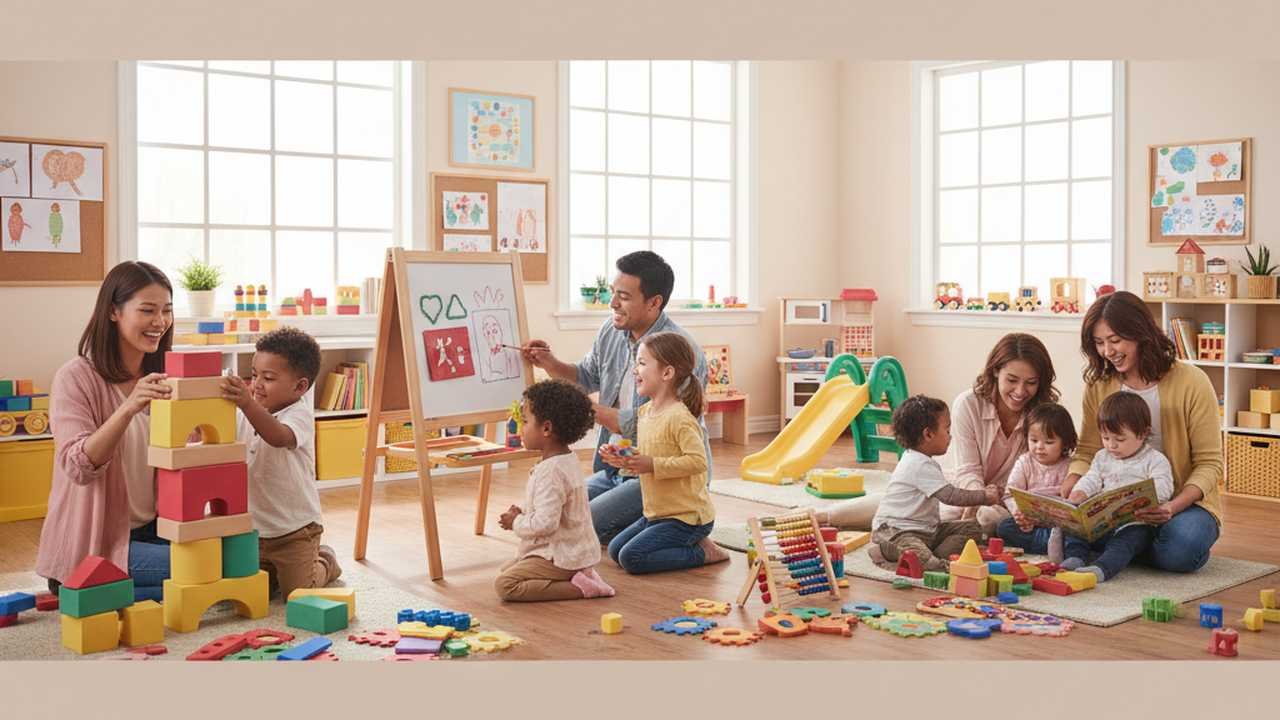
In the vibrant city of Bangkok, where the fusion of tradition and modernity creates a dynamic backdrop, parents are increasingly turning to innovative educational approaches to nurture their children’s development. Among these, play-based learning stands out as a powerful method that intertwines fun with fundamental growth. This approach not only enhances academic skills but also fosters emotional resilience and social competence, providing a holistic foundation for lifelong learning.
The Essence of Play-Based Learning
Play-based learning is more than just a playful diversion; it’s a strategic educational approach that leverages the natural curiosity and creativity of children. In Bangkok’s diverse educational landscape, institutions like Pathway Educational Center and HEYA Education have embraced this methodology, offering personalized learning experiences that cater to each child’s unique needs and interests. By integrating play into the learning process, these centers create an environment where children are active participants in their education, exploring concepts and developing skills through hands-on, engaging activities.
Fostering Emotional Development Through Play
Emotional growth is a cornerstone of early childhood development, and play serves as a vital tool in this area. Activities such as role-playing, storytelling, and cooperative games allow children to express their feelings, understand others’ emotions, and develop empathy. In Bangkok, schools that implement play-based learning observe significant improvements in children’s emotional regulation and resilience. For instance, children learn to navigate conflicts, manage frustration, and build self-confidence – all within the context of play. This emotional foundation is crucial as it influences their ability to form healthy relationships and cope with life’s challenges.
Enhancing Social Skills in a Playful Context
Social competence is another area where play-based learning excels. Through collaborative play, children practice essential social skills like sharing, turn-taking, and communication. In Bangkok’s multicultural classrooms, these interactions are particularly valuable as they expose children to diverse perspectives and cultural norms. Teachers facilitate group activities that encourage cooperation and dialogue, helping children build friendships and understand social dynamics. The skills acquired through these playful interactions lay the groundwork for effective teamwork and interpersonal relationships in the future.
Academic Growth Through Engaging Play Activities
Contrary to the misconception that play is unrelated to academic achievement, research shows that play-based learning significantly enhances cognitive development. In Bangkok, schools that integrate play into their curriculum report higher levels of engagement and motivation among students. Activities like building with blocks, solving puzzles, and exploring nature stimulate critical thinking and problem-solving skills. These hands-on experiences make abstract concepts more tangible, helping children grasp complex ideas in a concrete and enjoyable way. As a result, academic learning becomes a natural extension of play, fostering a love for learning that persists throughout their educational journey.
Personalized Education: Tailoring Learning to Individual Needs
Personalized education is at the forefront of modern pedagogy, and in Bangkok, institutions are leading the way in customizing learning experiences to fit each child’s strengths, interests, and learning styles. Schools like International School Bangkok (ISB) and HEYA Education offer flexible curricula that allow students to pursue subjects at their own pace and delve into areas they are passionate about. This individualized approach ensures that learning is relevant and engaging, motivating students to take ownership of their educational journey. By combining personalized education with play-based learning, these institutions create an environment where children thrive academically, socially, and emotionally.
The Role of Parents in Supporting Play-Based Learning
Parents play a crucial role in reinforcing the principles of play-based learning at home. By providing opportunities for unstructured play, parents can support their children’s development in a natural and enjoyable way. In Bangkok, many families are embracing this approach by setting aside time for activities like building forts, engaging in imaginative play, and exploring the outdoors. These experiences not only strengthen family bonds but also contribute to children’s growth in various domains. Parents can further enhance this learning by engaging in play with their children, offering guidance when needed, and encouraging exploration and creativity.
Creating a Play-Friendly Environment at Home
Establishing a play-friendly environment at home is essential for fostering the benefits of play-based learning. In Bangkok, parents are transforming their living spaces into areas that stimulate creativity and exploration. Simple changes, such as providing open-ended toys, setting up art stations, and creating cozy reading corners, can make a significant difference. These environments encourage children to engage in imaginative play, problem-solving, and independent learning. By prioritizing play in the home setting, parents can complement the efforts of schools and contribute to their children’s holistic development.
Overcoming Challenges in Implementing Play-Based Learning
While the benefits of play-based learning are clear, implementing this approach can present challenges. In Bangkok, educators and parents may encounter obstacles such as limited resources, time constraints, and societal pressures for academic achievement. However, many schools are finding innovative solutions to these challenges. For example, some institutions are integrating play-based learning into after-school programs, allowing children to engage in enriching activities outside of regular school hours. Others are collaborating with local communities to share resources and expertise, creating a supportive network for play-based education. By addressing these challenges collaboratively, Bangkok’s educational community is paving the way for a more inclusive and effective learning environment.
The Future of Play-Based Learning in Bangkok
The future of play-based learning in Bangkok looks promising, with a growing number of schools and parents recognizing its value. As educational paradigms shift towards more holistic approaches, play-based learning is gaining traction as a means to develop well-rounded individuals. In Bangkok, initiatives are underway to train educators in play-based methodologies, develop curricula that incorporate play, and advocate for policies that support this approach. The city’s commitment to innovation and excellence in education ensures that play-based learning will continue to evolve and thrive, providing children with the skills and experiences they need to succeed in an ever-changing world.
If you found this helpful, you might also want to explore How to Find Scholarships That for more insights on this topic.
As educational methods like play-based learning gain prominence in Bangkok, businesses, including those in digital marketing, are also adapting to new trends and strategies. For instance, companies looking to enhance their online presence can benefit from reliable digital marketing business services that focus on innovative approaches to reach their audience effectively.
