
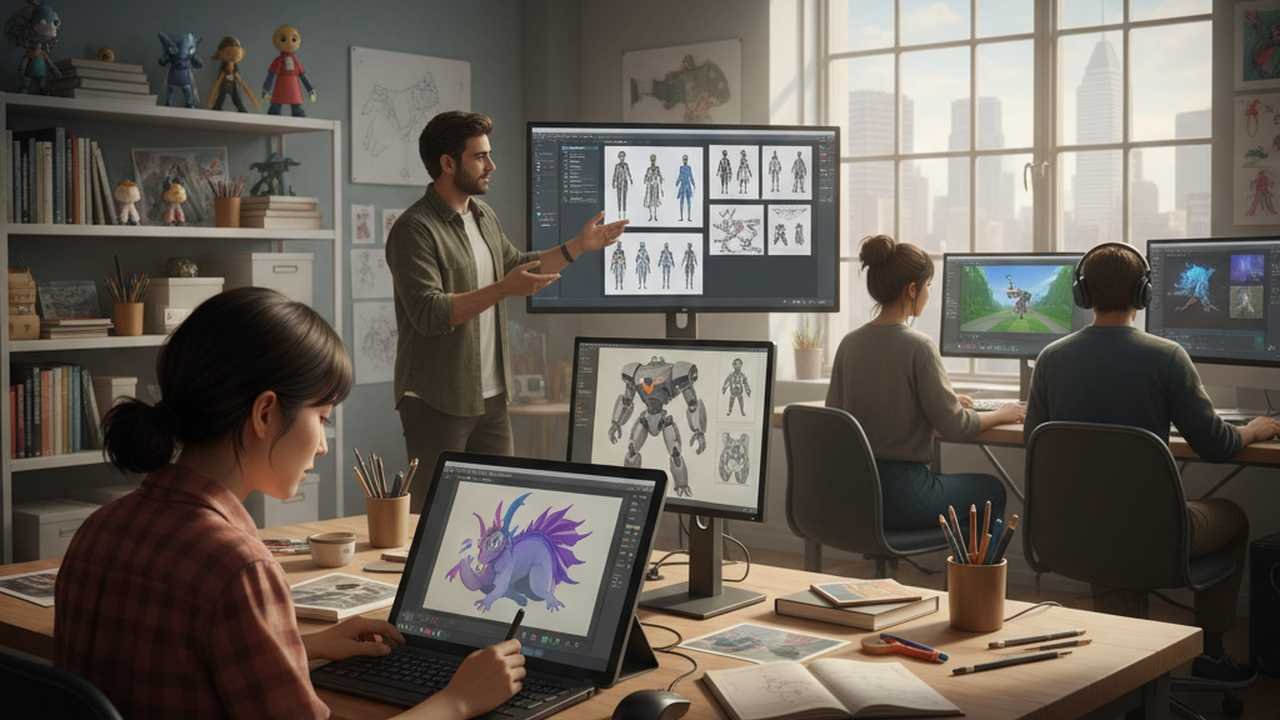
In the fast-evolving world of animation, comics, and gaming, the demand for skilled illustrators has never been higher. If you’re serious about turning your passion into a profession, it’s crucial to be schooled or educated in the right techniques and tools. The industry is looking for artists who can not only draw but also think critically, adapt quickly, and collaborate effectively. This article will guide you through the essential steps to build professional illustration skills that will make you stand out in these competitive fields.
Understanding the Core Fundamentals
Before diving into the specifics of animation, comics, or games, it’s essential to grasp the foundational principles of illustration. These include anatomy, perspective, composition, and color theory. Mastery of these basics allows you to create compelling and believable characters and scenes. For instance, understanding human anatomy enables you to depict characters in dynamic poses, while a solid grasp of perspective ensures your environments feel immersive and realistic.
Being schooled or educated in these fundamentals provides a strong base upon which you can build more specialized skills. Many successful professionals attribute their achievements to a deep understanding of these core principles. Without this foundation, it’s challenging to create work that resonates with audiences or meets industry standards.
Mastering Digital Tools and Techniques
In today’s digital age, proficiency in illustration software is non-negotiable. Programs like Adobe Photoshop, Illustrator, Clip Studio Paint, and Procreate are industry standards. Each of these tools offers unique features tailored to different aspects of illustration. For example, Clip Studio Paint is renowned for its comic creation capabilities, while Procreate is favored for its intuitive interface and versatility.
Being schooled or educated in these tools allows you to work efficiently and produce high-quality work. It’s not just about knowing how to use the software but understanding how to leverage its features to enhance your creative process. Many artists find that continuous learning and experimentation with these tools lead to improved workflows and more polished final products.
Developing a Unique Artistic Style
While technical skills are crucial, developing a unique artistic style sets you apart in the crowded fields of animation, comics, and games. Your style is your visual signature, the element that makes your work instantly recognizable. To cultivate this, study the works of artists you admire, experiment with different techniques, and incorporate personal experiences and influences into your art.
Being schooled or educated in various artistic traditions can provide a rich palette from which to draw inspiration. Exposure to different styles and techniques broadens your creative horizons and helps you find your unique voice. Remember, your style evolves over time, so embrace the journey of discovery and refinement.
Building a Strong Portfolio
Your portfolio is your most powerful tool in showcasing your skills to potential employers or clients. It should highlight your best work and demonstrate your versatility. Include a range of pieces that showcase different aspects of your abilities, such as character design, environment illustration, and storytelling through visuals.
Being schooled or educated in portfolio development involves understanding what industry professionals look for. Tailor your portfolio to the specific field you’re targeting, whether it’s animation, comics, or games. For example, if you’re aiming for a career in animation, include character turnarounds, expressions, and storyboard samples. A well-curated portfolio not only showcases your skills but also your understanding of industry expectations and standards.
Networking and Building Industry Connections
In creative industries, who you know can be just as important as what you know. Networking opens doors to job opportunities, collaborations, and mentorship. Attend industry events, participate in online communities, and connect with professionals on platforms like LinkedIn and ArtStation.
Being schooled or educated in networking strategies can significantly enhance your career prospects. Understand the importance of building genuine relationships, not just seeking opportunities. Engage with others’ work, offer constructive feedback, and be open to learning from peers and mentors. These connections can provide valuable insights, feedback, and opportunities that propel your career forward.
Staying Updated with Industry Trends
The worlds of animation, comics, and games are constantly evolving. New technologies, tools, and trends emerge regularly, and staying informed is crucial. Subscribe to industry publications, follow thought leaders on social media, and participate in relevant online forums and webinars.
Being schooled or educated in continuous learning ensures you remain adaptable and competitive. Embrace a mindset of lifelong learning, where you actively seek out new knowledge and skills. This proactive approach not only keeps you current but also positions you as a forward-thinking professional in your field.
Seeking Constructive Feedback
Receiving and acting upon feedback is vital for growth. Share your work with peers, mentors, or online communities and be open to critique. Constructive feedback helps you identify areas for improvement and refine your skills.
Being schooled or educated in handling feedback involves developing a thick skin and a growth mindset. Understand that criticism is an opportunity to learn and improve, not a personal attack. Approach feedback with gratitude and use it as a tool to enhance your work and professional development.
Understanding the Business Side of the Industry
As an illustrator, it’s essential to understand the business aspects of your profession. This includes pricing your work, negotiating contracts, managing finances, and marketing yourself effectively. A solid understanding of these areas ensures you can sustain a long-term career and make informed decisions.
Being schooled or educated in the business side of illustration equips you with the knowledge to navigate the complexities of the industry. Consider taking courses or seeking mentorship in areas like freelance management, intellectual property rights, and marketing strategies. This knowledge empowers you to make strategic decisions that align with your career goals.
Embracing a Growth Mindset
Finally, cultivating a growth mindset is crucial. Understand that skills can be developed through dedication and hard work. Embrace challenges, learn from criticism, and persist in the face of setbacks. This mindset fosters resilience and a continuous desire to improve.
Being schooled or educated in the principles of a growth mindset encourages you to view challenges as opportunities for development. Surround yourself with individuals who inspire and challenge you, and engage in practices that promote mental and emotional well-being. This holistic approach supports sustained growth and success in your illustration career.
If you want to elevate your photography to a professional level, understanding the Panama education system can provide valuable insights and techniques that can be applied in your practice.
