
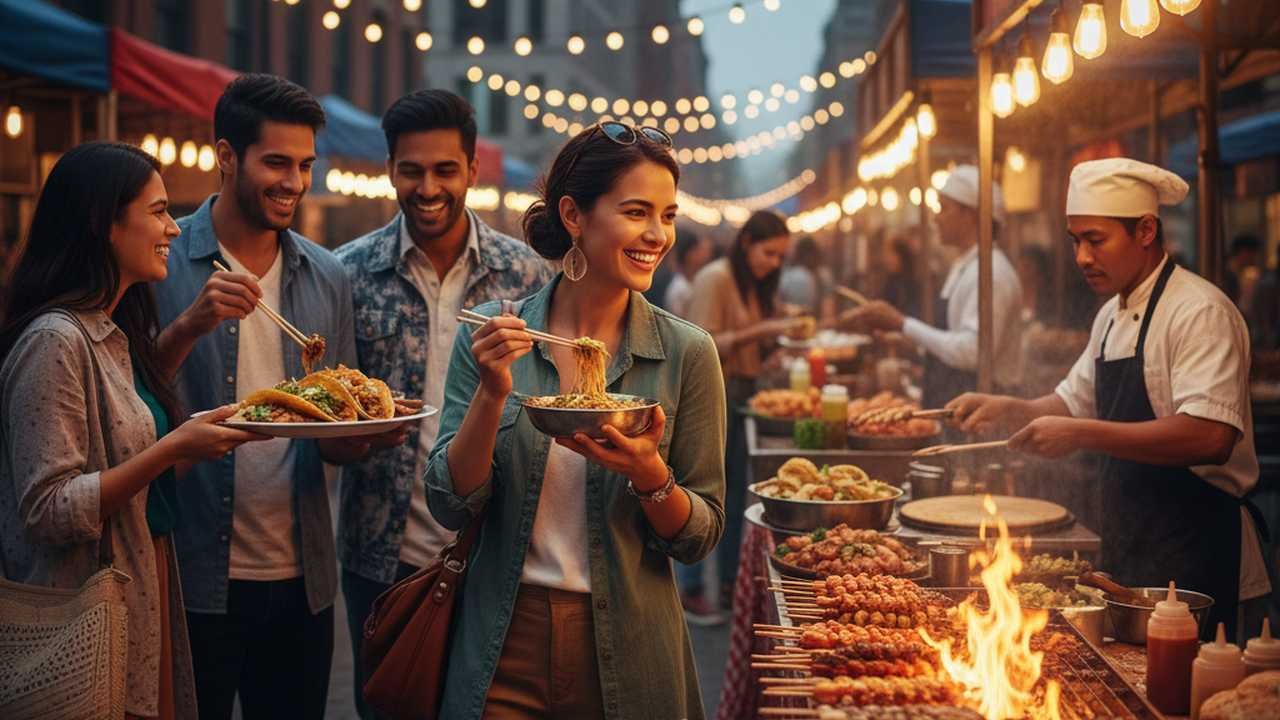
Imagine stepping into a bustling street, the air thick with the tantalizing aromas of sizzling kebabs, freshly baked naan, and the sweet scent of jalebi wafting through the evening breeze. Your senses are overwhelmed with the vibrant colors of street carts, the rhythmic clinking of chai glasses, and the lively chatter of fellow food enthusiasts. This is not just dining; it’s an immersive journey into the heart of a culture, a celebration of flavors, and an opportunity to connect with the essence of a place. Welcome to the world of culinary exploration, where every bite tells a story, and every meal is an adventure waiting to be savored.
In this guide, we’ll delve into the art of exploring street food, restaurants, and culinary experiences like a seasoned traveler. Whether you’re a food enthusiast eager to expand your palate or a curious traveler seeking authentic local flavors, this article will equip you with the knowledge and insights to embark on a gastronomic journey that goes beyond the ordinary. From understanding the significance of socialisation and education in culinary experiences to discovering hidden gems and mastering the art of food tourism, prepare to elevate your dining adventures to new heights.
Understanding the Role of Socialisation and Education in Culinary Exploration
Embarking on a culinary journey is not merely about satisfying hunger; it’s about immersing oneself in the rich tapestry of a culture’s history, traditions, and social fabric. Socialisation and education play pivotal roles in this immersive experience. Engaging with local vendors, chefs, and fellow diners allows you to gain insights into the stories behind each dish, the techniques passed down through generations, and the cultural significance embedded in every bite.
For instance, consider the age-old tradition of making biryani in Lahore. The process involves meticulous layering of marinated meat and fragrant rice, slow-cooked to perfection. Engaging with the local cooks, understanding their methods, and learning about the origins of this dish not only enhances your culinary knowledge but also fosters a deeper connection with the community. This exchange of stories and techniques enriches your dining experience, transforming a simple meal into an educational journey.
Moreover, participating in cooking classes or food tours offers structured opportunities to learn about regional ingredients, cooking methods, and the cultural contexts of various dishes. These educational experiences bridge the gap between being a passive consumer and an active participant in the culinary world, allowing you to appreciate the nuances of flavors and the artistry involved in food preparation.
Exploring Street Food: A Gateway to Authentic Local Flavors
Street food serves as a culinary passport, offering authentic tastes that encapsulate the essence of a region’s food culture. In cities like Lahore, the streets come alive with vendors serving an array of delectable treats – from spicy chaat and crispy samosas to tender seekh kebabs and creamy kulfi. Each stall has its unique offerings, often passed down through generations, reflecting the diverse culinary heritage of the area.
One cannot overlook the allure of Lahore’s Food Street, where the aroma of freshly grilled meats mingles with the sweet scent of traditional desserts. The vibrant atmosphere, coupled with the rich flavors, creates an unforgettable dining experience. Engaging with the vendors, understanding their craft, and savoring the dishes in their authentic setting provides a deeper appreciation of the local food culture.
However, exploring street food requires a discerning approach. It’s essential to observe the cleanliness of the stall, the freshness of the ingredients, and the hygiene practices of the vendor. Opting for stalls with high customer turnover often indicates the popularity and quality of the food. Additionally, seeking recommendations from locals or fellow travelers can lead you to hidden gems that might not be listed in guidebooks but offer exceptional culinary experiences.
Dining at Restaurants: Elevating Your Culinary Journey
While street food offers authenticity, dining at reputable restaurants provides an opportunity to experience refined culinary techniques and innovative presentations. Lahore boasts a plethora of restaurants that blend traditional flavors with contemporary flair. Establishments like Cosa Nostra and The Monal offer panoramic views of the city, complemented by exquisite menus that showcase the best of local and international cuisines.
Dining at these restaurants is not just about the food; it’s about the ambiance, the service, and the overall experience. The meticulously curated interiors, attentive staff, and thoughtfully designed menus create an atmosphere that enhances your dining pleasure. Whether it’s a romantic dinner overlooking the city skyline or a celebratory meal with friends, these restaurants provide settings that elevate the culinary experience.
Moreover, many restaurants offer interactive dining experiences, such as chef’s tables, tasting menus, and wine pairings, allowing diners to engage more deeply with the food. These experiences provide insights into the chef’s creative process, the sourcing of ingredients, and the inspiration behind each dish, enriching your understanding and appreciation of the culinary arts.
Participating in Cooking Classes: Hands-On Learning
For those eager to delve deeper into the culinary world, participating in cooking classes offers hands-on experience in preparing traditional dishes. In Lahore, several institutions and local chefs offer classes that teach the art of making dishes like haleem, nihari, and various types of biryani. These classes provide not only practical skills but also cultural insights, as instructors often share stories and histories associated with the dishes.
Engaging in cooking classes fosters a sense of accomplishment and connection. The process of selecting ingredients, preparing the dish, and finally savoring the creation provides a comprehensive understanding of the culinary traditions. Additionally, these classes offer a platform for socialisation, as participants often share their experiences, exchange tips, and bond over a shared love for food.
Furthermore, cooking classes can be tailored to specific dietary preferences or regional cuisines, allowing participants to explore diverse culinary traditions. Whether it’s mastering the art of making pasta in Italy or learning the intricacies of sushi preparation in Japan, cooking classes offer immersive experiences that go beyond mere consumption, fostering a deeper appreciation for the culinary arts.
Engaging in Food Tours: Guided Culinary Adventures
Food tours offer structured experiences that combine sightseeing with culinary exploration. In cities like Lahore, guided food tours take participants through bustling markets, hidden eateries, and iconic food spots, providing a comprehensive overview of the local food scene. These tours are led by knowledgeable guides who share insights into the history, culture, and stories behind each dish and location.
Participating in food tours allows you to sample a variety of dishes, often from establishments that you might not discover on your own. The guidance of local experts ensures that you experience authentic flavors and learn about the culinary traditions that define the region. Additionally, food tours often include interactions with local vendors and chefs, providing opportunities for socialisation and education.
Moreover, food tours can be themed to focus on specific aspects of the culinary landscape, such as street food, desserts, or regional specialties. This thematic approach allows participants to delve deeper into particular areas of interest, enhancing their culinary knowledge and experiences.
Embracing the Social Aspects of Dining
Dining is inherently a social activity, and embracing this aspect can enrich your culinary experiences. Sharing meals with locals, fellow travelers, or even strangers fosters connections and creates memorable experiences. In many cultures, communal dining is a tradition that promotes bonding and a sense of community.
In Lahore, for instance, sharing a plate of tandoori chicken or a bowl of halwa puri with friends or family is a cherished tradition. The act of passing dishes, engaging in conversation, and enjoying food together enhances the dining experience, making it more enjoyable and meaningful.
Additionally, participating in food festivals and events provides opportunities to meet new people, exchange culinary experiences, and learn about different food cultures. These gatherings often feature live cooking demonstrations, tastings, and workshops, offering interactive and educational experiences that go beyond traditional dining.
Documenting Your Culinary Journey
Capturing your culinary experiences through photography, journaling, or blogging allows you to preserve memories and share your journey with others. Documenting the sights, smells, and flavors of each meal provides a personal record that you can reflect upon and revisit in the future.
Sharing your experiences on social media platforms or food blogs not only allows you to connect with a broader community of food enthusiasts but also contributes to the global appreciation of diverse culinary traditions. Your insights and recommendations can inspire others to embark on their own culinary adventures, fostering a shared love for food and culture.
Moreover, documenting your journey can serve as a valuable resource for future travels. By noting down favorite dishes, restaurants, and vendors, you create a personalized guide that can enhance your future culinary explorations.
Conclusion: Embarking on Your Culinary Adventure
Exploring street food, restaurants, and culinary experiences offers more than just the pleasure of eating; it provides a gateway to understanding cultures, building connections, and gaining knowledge. By embracing the roles of socialisation and education in your culinary journey, you transform each meal into an opportunity for learning and growth.
Whether you’re savoring a spicy chaat on a bustling street corner, dining at a fine restaurant with panoramic views, participating in a cooking class to master traditional dishes, or engaging with locals to learn about their food traditions, each experience adds depth and richness to your journey.
So, step out, explore, and let your culinary adventures begin. The world is full of flavors waiting to be discovered, and every bite is an invitation to connect, learn, and savor the essence of a place.
Just as each culinary experience enriches our understanding of the world, embracing lifelong learning can significantly enhance career opportunities and personal growth. By continually seeking knowledge and skills, you not only elevate your professional prospects but also cultivate a more fulfilling life. To discover effective strategies for integrating lifelong learning into your routine, explore this guide on enhancing career opportunities through education.
