
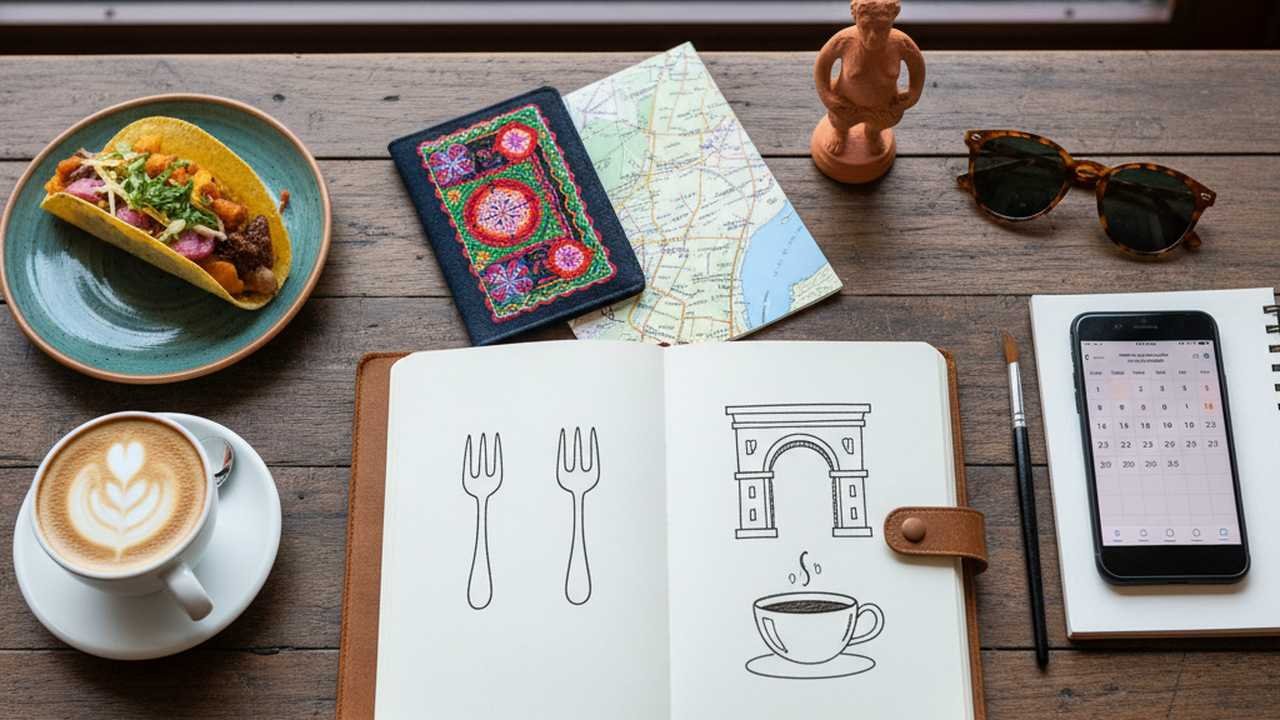
Imagine waking up to the rich aroma of freshly baked croissants in Paris, the vibrant colors of Jaipur’s bustling markets, and the soothing sounds of a traditional Japanese tea ceremony. These are not just fleeting moments; they are the essence of a well-crafted travel itinerary that harmoniously blends food, culture, and lifestyle. In today’s fast-paced world, where experiences are often rushed and superficial, curating a journey that delves deep into the heart of a destination is more crucial than ever. This guide will walk you through the art of planning a balanced travel itinerary that immerses you in the local flavors, traditions, and daily rhythms, ensuring a trip that is both enriching and unforgettable.
Understanding the Importance of a Balanced Itinerary
When planning a trip, it’s easy to fall into the trap of overloading your schedule with tourist hotspots and must-see attractions. While these are undoubtedly worth visiting, they often fail to provide a genuine connection to the destination. A balanced itinerary goes beyond the typical tourist path, incorporating elements that allow you to experience a place like a local. This approach not only enriches your travel experience but also fosters a deeper appreciation for the culture and lifestyle of the area.
Consider the example of a traveler visiting Kyoto, Japan. Instead of spending the entire day at crowded temples, they might start with a morning visit to a local market, sampling fresh produce and interacting with vendors. In the afternoon, they could participate in a traditional tea ceremony, learning about its history and significance. The day might end with a leisurely stroll through a quiet neighborhood, observing daily life and perhaps striking up a conversation with a resident. This blend of activities offers a more holistic view of Kyoto, making the experience more memorable and meaningful.
Incorporating Culinary Delights into Your Journey
Food is an integral part of any culture, serving as a gateway to understanding its history, values, and traditions. Including culinary experiences in your itinerary allows you to taste the essence of a place and connect with its people on a personal level. From street food stalls to fine dining establishments, each meal tells a story waiting to be discovered.
Take, for instance, the bustling streets of Bangkok. Here, the aroma of sizzling satay skewers fills the air, enticing passersby to stop and indulge. A traveler might join a local cooking class, learning to prepare traditional dishes like pad Thai or green curry. This hands-on experience not only provides culinary skills but also insights into the cultural significance of the ingredients and cooking methods used. Moreover, sharing a meal with locals fosters connections and creates lasting memories that go beyond the surface-level tourist experience.
Immersing Yourself in Local Culture and Traditions
Culture is the soul of a destination, encompassing its art, music, festivals, and daily customs. Immersing yourself in these aspects offers a profound understanding of the place and its people. Rather than observing from the sidelines, actively participating in cultural activities can lead to transformative experiences.
Imagine attending a flamenco performance in Seville, Spain. The passionate dance, accompanied by soulful guitar music, captivates the audience, offering a glimpse into the region’s rich artistic heritage. Similarly, joining a local festival, such as the Songkran water festival in Thailand, allows you to engage with the community and partake in age-old traditions. These experiences not only enrich your travel but also foster a sense of belonging and connection to the destination.
Balancing Adventure and Relaxation
A well-rounded itinerary strikes a balance between adventure and relaxation, ensuring that you return home rejuvenated rather than exhausted. While it’s tempting to fill every moment with activities, allowing time for rest and reflection is equally important.
Consider a day in the Swiss Alps. The morning might begin with a thrilling hike through alpine meadows, offering panoramic views of snow-capped peaks. Afterward, a leisurely lunch at a mountain hut provides an opportunity to savor local specialties and enjoy the serene surroundings. The afternoon could be spent unwinding at a spa, soaking in thermal waters while gazing at the majestic landscape. This combination of activity and relaxation ensures a fulfilling and restorative experience.
Engaging with Local Communities
One of the most rewarding aspects of travel is the opportunity to connect with local communities. Engaging with residents provides authentic insights into their way of life and fosters mutual understanding. Whether it’s through volunteering, participating in workshops, or simply striking up a conversation, these interactions enrich your journey.
In the coastal town of Cinque Terre, Italy, travelers might join a local olive harvest, learning about traditional farming methods and the significance of olive oil in the region’s cuisine. In the deserts of Rajasthan, India, participating in a pottery workshop allows visitors to appreciate the skill and artistry involved in creating handcrafted goods. These experiences not only support local economies but also create bonds that transcend cultural differences.
Prioritizing Sustainable and Responsible Travel
As travelers become more conscious of their environmental impact, prioritizing sustainability has become essential. Responsible travel involves making choices that minimize harm to the environment and support the well-being of local communities.
Opting for eco-friendly accommodations, supporting local artisans, and reducing waste are just a few ways to travel responsibly. In Costa Rica, travelers can stay in eco-lodges that utilize renewable energy and practice water conservation. In Bali, visiting markets that promote sustainable products helps preserve traditional crafts and supports artisans. By making informed decisions, travelers can contribute positively to the destinations they visit.
Utilizing Technology to Enhance Your Itinerary
In today’s digital age, technology can be a valuable tool in planning and enhancing your travel experience. From itinerary planning apps to translation tools, various resources can streamline your journey and provide real-time assistance.
Applications like Google Maps and TripIt help organize your schedule and navigate unfamiliar areas with ease. Language translation apps bridge communication gaps, allowing you to converse with locals and understand menus or signage. Additionally, platforms like Airbnb Experiences offer unique activities hosted by locals, providing authentic insights into the destination. Leveraging these tools ensures a smoother and more enjoyable travel experience.
Reflecting on Your Journey
After returning from your travels, taking time to reflect on your experiences can deepen your appreciation and understanding of the places you’ve visited. Journaling, creating photo albums, or sharing stories with friends and family are effective ways to process and preserve memories.
Reflecting also allows you to evaluate your travel choices and consider areas for improvement. Perhaps you discovered a newfound interest in a particular cuisine or culture, prompting you to plan future trips centered around those themes. By reflecting on your journey, you not only cherish the memories but also grow as a traveler and individual.
In conclusion, planning a balanced travel itinerary that combines food, culture, and lifestyle offers a holistic and enriching experience. By immersing yourself in local traditions, savoring authentic cuisines, and engaging with communities, you create meaningful connections that last a lifetime. So, the next time you embark on a journey, remember to craft an itinerary that goes beyond the surface and delves into the heart of the destination.
This topic connects naturally with How Brokers Handle Orders for — exploring it will give you a more complete picture.
As you embrace these enriching travel experiences, consider how these insights can translate into your professional life, particularly in the realm of digital marketing. The intersection of cultural understanding and business strategies is vital in today’s global marketplace, making it essential to explore the future business services digital marketing landscape for innovative opportunities.
