
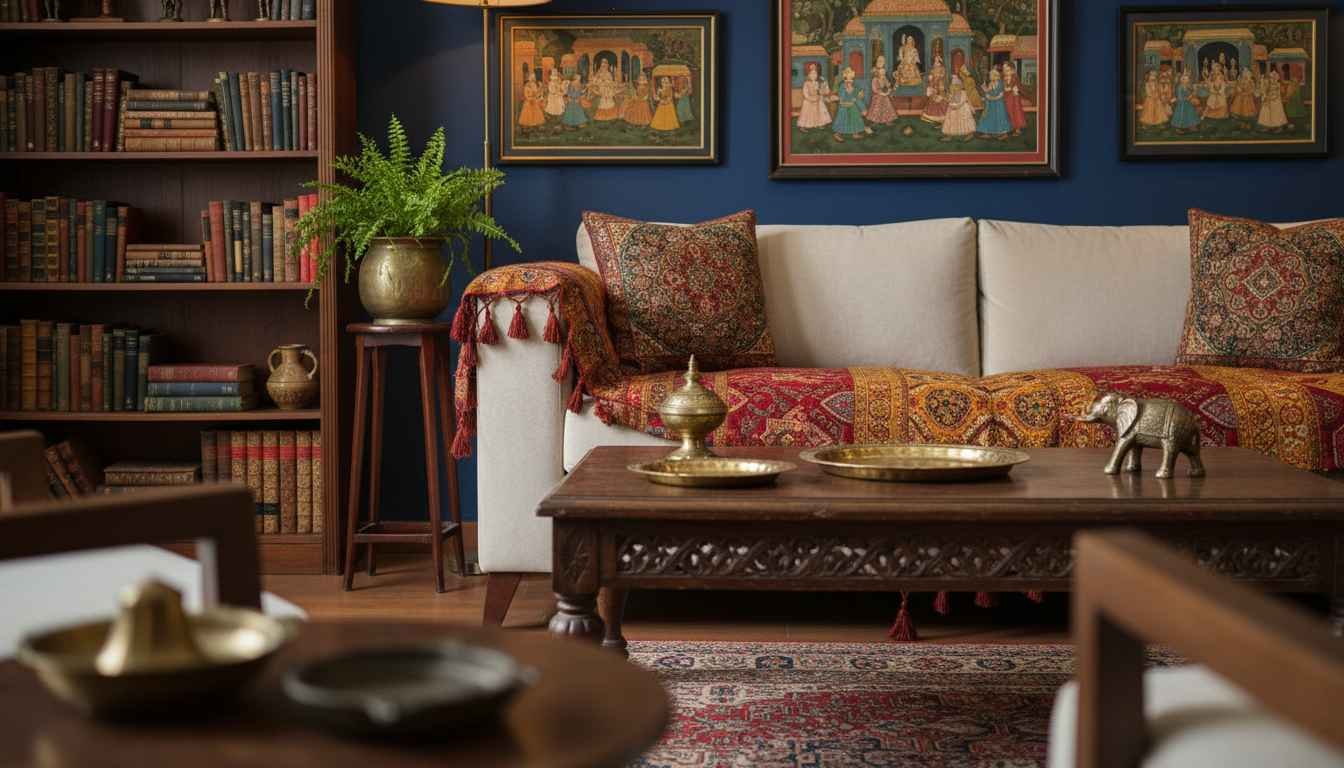
$3,500 may seem like a lot to invest in a single piece, yet in the world of Indian antique home decor, this sum can unlock a legacy of craftsmanship that has spanned centuries. Every intricately carved wooden cabinet, hand-painted wall panel, or brass sculpture carries the weight of history, telling stories of cultural heritage and artistic dedication. These antiques are more than mere objects; they are tangible connections to a time when artisans poured precision and soul into every detail.
Indian antiques often reflect the diverse regions and eras from which they originate. From the vibrant frescoes of Rajasthan to the understated elegance of Kerala’s wooden furniture, each piece offers a glimpse into distinct artistic philosophies. Understanding the provenance of an item not only adds to its aesthetic appeal but also informs the authenticity and potential value it holds in a modern home.
Before diving into acquisition, it is crucial to identify your interior style and how an antique will complement or contrast with it. Indian antiques work well in eclectic, bohemian, or even minimalistic settings when paired thoughtfully. Mixing textures, materials, and colors can breathe life into spaces that would otherwise feel static or uniform. For those seeking inspiration or guidance on blending heritage with contemporary interiors, resources like jane at home offer curated examples and practical tips.
1. Selecting the Right Antique Pieces
The first step in building a cohesive collection is understanding which categories of antiques resonate with your space. Furniture, such as carved jharokha chairs or ornate wooden chests, often serve as statement pieces. Decorative items, including brass lamps, terracotta figurines, and handwoven textiles, can provide accent elements that subtly enhance a room’s narrative. When evaluating pieces, consider scale, proportion, and the interplay of colors to avoid overcrowding or visual dissonance.
2. Authenticity and Provenance Checks
With antiques, authenticity is paramount. Look for signs of age like patina, slight irregularities in hand-carved motifs, or natural wear that cannot be replicated easily. Provenance documentation, including certificates or prior ownership records, can significantly enhance the credibility and long-term value of a piece. Auction houses, specialized antique dealers, and verified online marketplaces often provide expert evaluations that reduce the risk of investing in reproductions.
3. Integrating Indian Antiques with Modern Interiors
One common challenge is making antique items feel relevant in contemporary homes. The key lies in selective placement. Pairing an antique carved screen with a neutral-toned sofa, or a traditional brass lamp with sleek, modern fixtures, creates contrast that is visually compelling. Similarly, textiles like hand-embroidered cushions can introduce intricate patterns without overwhelming the space. The balance of old and new transforms interiors from static displays into dynamic, storytelling environments.
4. Maintenance and Preservation
Indian antiques require mindful care to retain their beauty and structural integrity. Wooden furniture benefits from periodic oiling to prevent drying and cracking, while metal artifacts may require gentle polishing to avoid corrosion. Fabric items, including tapestries and embroidered textiles, should be protected from direct sunlight and excessive humidity. Understanding these maintenance needs helps preserve both the aesthetic and investment value of your collection.
5. Creating Focal Points
Every well-designed room tells a story. Antiques are ideal for creating focal points that naturally draw the eye. A centuries-old wooden console against a neutral wall or a pair of bronze figurines on a minimalist mantel can anchor a room. Complementing these pieces with subtle accent lighting not only highlights craftsmanship but also enhances ambiance, reinforcing the emotional connection between the homeowner and their space.
6. Potential Drawbacks
While Indian antique home decor offers unmatched beauty and cultural significance, it may not suit every environment or lifestyle. High-maintenance requirements, fragility, and space limitations can pose challenges. Additionally, sourcing authentic antiques requires patience and sometimes a significant financial commitment. Individuals who prefer low-maintenance, mass-produced decor may find antiques impractical or stressful.
7. Sourcing and Shopping Strategies
Finding the right piece involves both research and experiential exploration. Antique fairs, heritage markets, and estate sales often reveal hidden treasures. Online platforms provide accessibility but require scrutiny to verify authenticity. Building relationships with reputable dealers and visiting regional artisan hubs can lead to discovering unique items that might not be available through mainstream channels. Keeping a budget and wishlist helps avoid impulse purchases and ensures a collection that evolves thoughtfully over time.
8. Investing in Emotional and Cultural Value
Beyond monetary worth, Indian antiques carry emotional and cultural significance. They evoke stories, traditions, and regional histories, making them ideal for families seeking heirlooms or collectors aiming to preserve artistic heritage. Each piece can inspire creativity, spark conversation, and serve as a bridge between past and present. Viewing antiques through this lens transforms them from decorative objects into meaningful anchors within a living space.
9. Styling Tips and Room-Specific Ideas
In the living room, a carved wooden coffee table can anchor seating arrangements while displaying small decorative accents. Dining areas benefit from antique sideboards or carved chairs that introduce warmth and texture. Bedrooms can be enhanced with hand-painted screens or vintage textiles, providing both functionality and aesthetic appeal. Even bathrooms can embrace smaller decorative items such as brass faucets, sculptural soap dishes, or framed prints that echo traditional patterns.
10. Long-Term Planning and Curation
Creating a cohesive antique collection is a marathon, not a sprint. Start with pieces that resonate most strongly with your personal taste and room dynamics, then gradually expand. Documenting your collection, noting origins, care instructions, and historical context, not only aids in organization but also strengthens your understanding of each item’s value. Over time, your home becomes an evolving gallery of Indian heritage, each room a carefully curated reflection of history, culture, and personal expression.
