
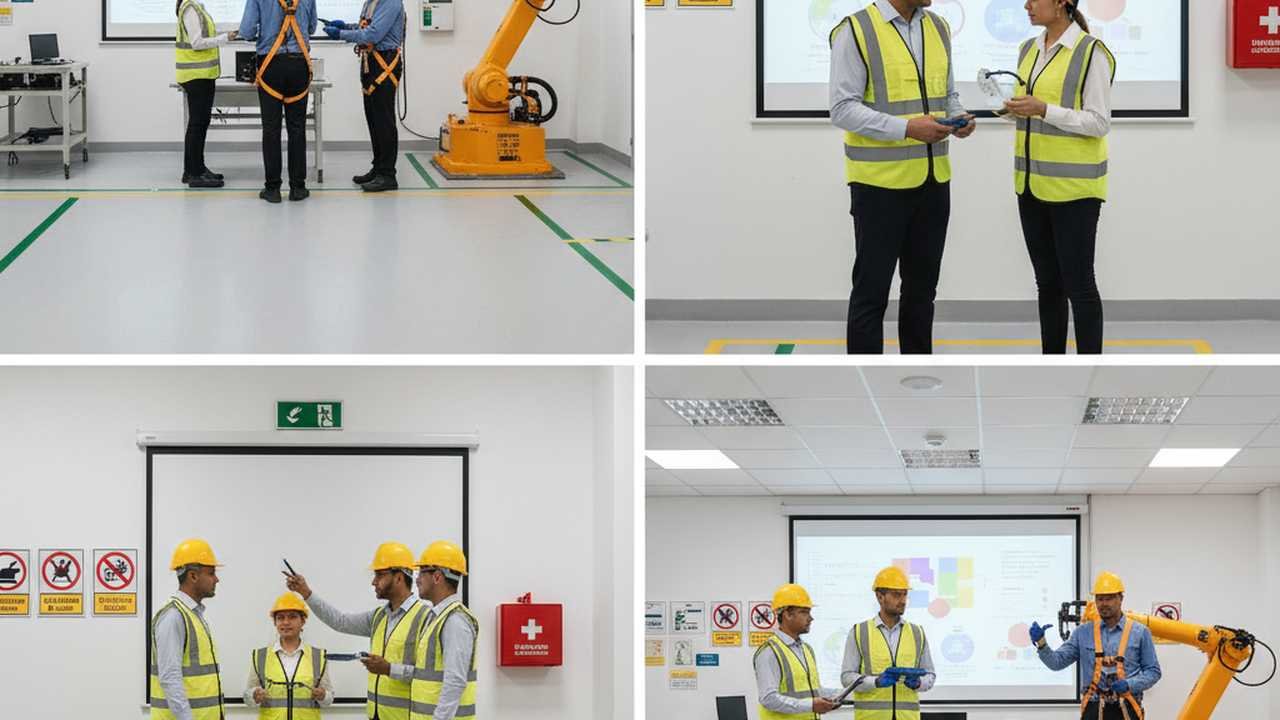
In today’s fast-paced and ever-evolving work environment, ensuring the safety and well-being of employees is not just a regulatory requirement but a moral imperative. The urgency to adopt effective strategies for preventing workplace accidents has never been more critical. With the increasing complexity of work processes and the diverse nature of workplace hazards, organizations must be proactive in implementing comprehensive safety measures. This article delves into the latest strategies that businesses can adopt to safeguard their workforce, reduce accidents, and foster a culture of safety.
Understanding the Current Workplace Safety Landscape
The landscape of workplace safety has undergone significant transformations in recent years. Traditional safety protocols, while still relevant, are no longer sufficient to address the multifaceted challenges that modern workplaces present. Factors such as technological advancements, changing workforce demographics, and evolving regulatory standards necessitate a more dynamic approach to safety management. Organizations must move beyond reactive measures and embrace proactive strategies that anticipate potential hazards and mitigate risks before they result in accidents.
One of the most pressing concerns is the rise in workplace injuries and fatalities. According to recent reports, workplace injuries have surged by alarming rates, with certain industries experiencing higher-than-average incident rates. This uptick underscores the need for organizations to reassess their safety protocols and implement more effective preventive measures. Failure to do so not only jeopardizes employee health but also exposes businesses to legal liabilities and reputational damage.
Furthermore, the increasing complexity of workplace environments, characterized by advanced machinery, intricate workflows, and diverse job roles, has introduced new safety challenges. Employers must adapt to these changes by continuously updating their safety strategies and ensuring that all employees are adequately trained to handle the evolving risks associated with their specific roles.
Implementing Comprehensive Safety Training Programs
At the heart of any effective workplace safety strategy lies a robust training program. Comprehensive safety training equips employees with the knowledge and skills necessary to identify hazards, understand safety protocols, and respond appropriately in emergency situations. Such training should be an ongoing process, not a one-time event, to ensure that safety remains a top priority throughout an employee’s tenure.
Modern safety training programs leverage a blend of traditional methods and innovative technologies. Interactive e-learning modules, virtual reality simulations, and hands-on workshops provide employees with immersive learning experiences that enhance retention and application of safety practices. These programs should cover a wide range of topics, including hazard recognition, emergency response procedures, proper use of personal protective equipment (PPE), and ergonomics.
Moreover, safety training should be tailored to the specific needs of different departments and job roles. For instance, employees in manufacturing settings may require specialized training on machine safety and lockout/tagout procedures, while office workers might benefit from training on ergonomics and fire safety. By customizing training programs to address the unique risks associated with each role, organizations can ensure more effective hazard prevention and accident reduction.
Enhancing Hazard Identification and Risk Assessment Processes
Proactively identifying potential hazards is a cornerstone of effective workplace safety management. Regular hazard identification and risk assessment processes enable organizations to pinpoint existing and potential risks, assess their severity, and implement appropriate control measures. These processes should be systematic and involve input from employees at all levels to ensure comprehensive hazard identification.
Employers should conduct routine workplace inspections to identify physical hazards such as faulty equipment, exposed wiring, or slippery floors. Additionally, assessing organizational risks, including workload imbalances, inadequate training, and communication breakdowns, is equally important. Engaging employees in hazard identification not only empowers them but also provides valuable insights into potential risks that may not be immediately apparent to management.
Once hazards are identified, organizations should evaluate the associated risks by considering factors such as the likelihood of occurrence and the potential severity of consequences. This risk assessment process helps prioritize hazards and allocate resources effectively to implement control measures. Control strategies may include engineering controls, administrative controls, and the use of PPE, depending on the nature of the hazard and the level of risk involved.
Integrating Technology to Monitor and Improve Safety Practices
The integration of technology into workplace safety practices has revolutionized how organizations monitor and manage safety. Digital tools and platforms enable real-time tracking of safety metrics, incident reporting, and compliance monitoring, providing organizations with actionable insights to enhance safety performance.
Wearable safety devices, such as smart helmets and vests equipped with sensors, can monitor vital signs, detect falls, and alert supervisors to potential safety breaches. These devices provide an added layer of protection, especially in high-risk environments, by enabling immediate response to incidents and reducing response times.
Additionally, data analytics platforms can analyze trends in safety incidents, identify recurring issues, and predict potential hazards. By leveraging data-driven insights, organizations can implement targeted interventions to address specific safety concerns, thereby reducing the likelihood of accidents. The use of technology not only improves safety outcomes but also fosters a culture of continuous improvement by enabling organizations to learn from past incidents and proactively address emerging risks.
Promoting a Safety-First Organizational Culture
Cultivating a safety-first organizational culture is essential for sustaining long-term safety improvements. A safety-first culture emphasizes the importance of safety in all aspects of the organization’s operations and encourages employees to prioritize safety in their daily activities.
Leadership plays a pivotal role in fostering a safety-first culture. When leaders demonstrate a commitment to safety through their actions and decisions, it sets a positive example for employees to follow. This commitment can be manifested through regular safety meetings, open communication channels, and active participation in safety initiatives.
Employee involvement is equally crucial in promoting a safety-first culture. Encouraging employees to report hazards, participate in safety committees, and contribute to safety discussions empowers them to take ownership of their safety and the safety of their colleagues. Recognizing and rewarding safe behaviors further reinforces the importance of safety and motivates employees to adhere to safety protocols.
Moreover, organizations should provide resources and support to employees to help them maintain safe practices. This includes offering access to safety training programs, providing necessary PPE, and ensuring that safety concerns are addressed promptly. By creating an environment where safety is prioritized and valued, organizations can significantly reduce the risk of workplace accidents.
Addressing Mental Health and Well-being in the Workplace
While physical safety remains a primary concern, addressing mental health and well-being is equally important in preventing workplace accidents. Stress, burnout, and mental health issues can impair judgment, reduce concentration, and increase the likelihood of accidents. Therefore, organizations must implement strategies to support the mental health of their employees.
Providing access to mental health resources, such as counseling services and employee assistance programs, can help employees manage stress and mental health challenges. Creating a supportive work environment that promotes work-life balance, encourages open communication, and reduces stigma associated with mental health issues fosters a culture of well-being.
Additionally, organizations should train managers and supervisors to recognize signs of mental health issues and provide appropriate support. Regular check-ins with employees, promoting flexible work arrangements, and encouraging breaks can alleviate stress and prevent burnout. By addressing mental health proactively, organizations not only enhance employee well-being but also reduce the risk of accidents associated with mental fatigue and stress.
Ensuring Compliance with Safety Regulations and Standards
Compliance with safety regulations and standards is a fundamental aspect of workplace safety. Adhering to legal requirements ensures that organizations provide a safe working environment and avoid potential legal liabilities. However, compliance should not be viewed as a mere obligation but as a commitment to the health and safety of employees.
Organizations should stay informed about current safety regulations and standards applicable to their industry and region. This includes understanding local, national, and international safety laws, as well as industry-specific guidelines and best practices. Regular audits and inspections help ensure ongoing compliance and identify areas for improvement.
Beyond compliance, organizations should strive for excellence in safety management. Implementing best practices, exceeding minimum safety requirements, and continuously improving safety protocols demonstrate a genuine commitment to employee safety. By fostering a culture of compliance and continuous improvement, organizations can create a safe and healthy work environment that benefits both employees and the organization as a whole.
Evaluating and Improving Safety Performance
Continuous evaluation and improvement of safety performance are essential for maintaining a safe workplace. Organizations should establish key performance indicators (KPIs) to measure safety outcomes, such as incident rates, near misses, and employee engagement in safety programs.
Regularly reviewing safety performance data allows organizations to identify trends, assess the effectiveness of safety initiatives, and make informed decisions about where to allocate resources. Engaging employees in the evaluation process through surveys, feedback sessions, and safety audits provides valuable insights into the strengths and weaknesses of safety practices.
Based on evaluation findings, organizations should implement corrective actions to address identified issues and enhance safety performance. This may involve revising safety protocols, providing additional training, or investing in new safety technologies. By fostering a culture of continuous evaluation and improvement, organizations can adapt to changing safety challenges and ensure sustained safety success.
If you want to understand the strategies used by public health officials, explore how the acronym for education plays a crucial role in their response to emerging health threats.
To learn more about how communities can harness the power of collective action in the face of health crises, consider the concept of aristotle educated insolence, which encourages critical thinking and proactive engagement in public health strategies.
If you want to understand the impact of vaccination efforts, consider how canvas legacy education is transforming public health initiatives and fostering community resilience against epidemics.
